
From December 16 to 24, millions of Filipino Catholics rise as early as 2:00 a.m. to prepare for “Simbang Gabi,” or the dawn masses, a centuries-old tradition that marks the anticipation of Christmas. These masses are typically held between 3:00 a.m. and 5:00 a.m., requiring worshippers to wake before sunrise and travel through the darkness to church. This act of sacrifice and devotion gives Simbang Gabi its distinct spiritual significance, setting it apart from regular Mass. Many also believe that completing all nine mornings of worship increases the likelihood that their prayers or wishes will be granted.
Colonial roots
Simbang Gabi traces its origins to the Spanish colonial era in the Philippines, when December masses known as Misas de Aguinaldo or Misa de Gallo were introduced. Under Spanish rule, evening novenas were traditionally observed during the Christmas season. However, many Filipinos, particularly farmers, worked long hours in the fields from before sunrise until midday, making it difficult to attend evening services.
Recognizing the people’s dedication despite their exhausting labor, priests adjusted the schedule and began celebrating Mass before dawn, allowing farmers to worship before heading to work. Historical accounts also note that Pope Sixtus V authorized pre-sunrise Masses during the harvest season to accommodate agricultural communities. Originally, these services began at around 4:00 a.m.
Through deep faith and enduring devotion, Filipinos preserved this practice for more than 300 years, transforming it into a cherished cultural and religious tradition.
Simbang Gabi in Modern Times
Today, Simbang Gabi remains one of the most widely practiced Christmas traditions in the Philippines, drawing millions of worshippers nationwide. It has become both a symbol of Filipino Catholic faith and a defining feature of the country’s holiday identity.
The long-held belief that faithfully completing the nine-day novena may lead to blessings or answered prayers continues to thrive. These prayers range from spiritual hopes, such as peace and guidance, to practical aspirations like good health, academic success, stable employment, financial security, or protection from hardship.
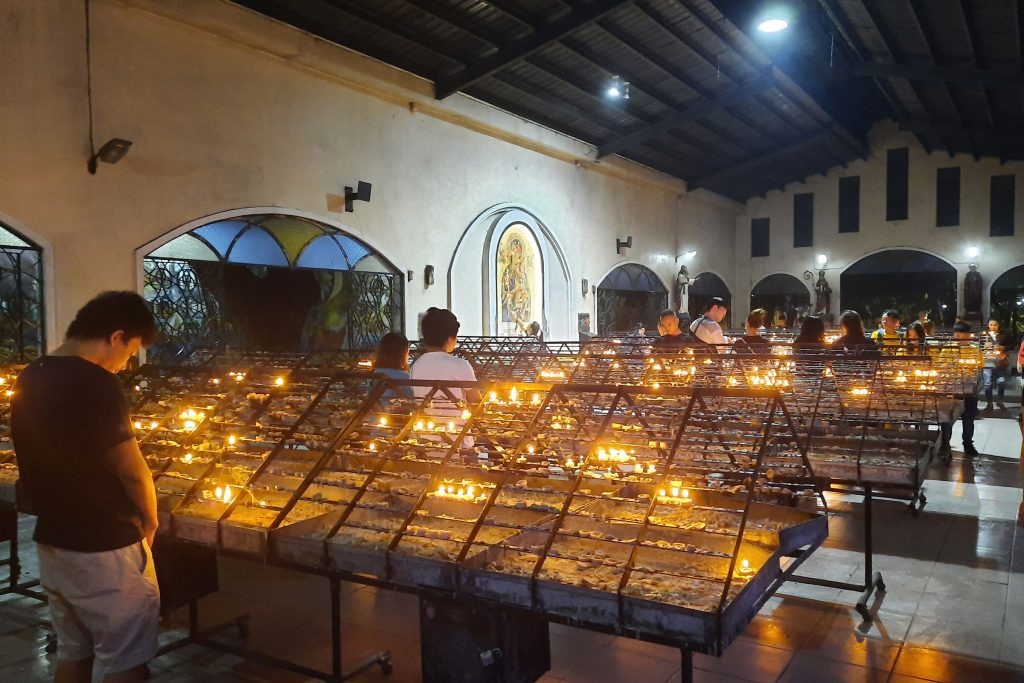
For many devotees, Simbang Gabi also includes personal rituals, such as praying before religious images, touching statues of Jesus Christ, or lighting candles for departed loved ones.
After the Mass
Beyond its religious significance, Simbang Gabi is also a vibrant social and cultural experience. Outside churches, streets come alive with seasonal food stalls selling beloved Filipino delicacies such as puto bumbóng, bibingka, suman, and hot coffee. These traditional treats, often associated exclusively with the Christmas season, have become an essential part of the Simbang Gabi experience. Religious ornaments and devotional items are also commonly sold, further enriching the spiritual atmosphere.
A Lasting Legacy
Simbang Gabi stands as a powerful reminder of how colonial influences were adapted and transformed into something deeply Filipino. What began as a Spanish-introduced religious practice evolved into a profound expression of local faith, resilience, and cultural identity.
More than a tradition, Simbang Gabi reflects the enduring spirituality of the Filipino people. It serves as both a connection to history and a celebration of hope, sacrifice, and devotion during the Christmas season. Through this practice, Filipinos are reminded that while history may carry the weight of colonization, it also left behind spiritual traditions that continue to inspire meaning and unity today.
